 Client trainingVisited 0 of 32 modules
The rules that trip up medspas
Eight rules cover almost every way a medspa's books go wrong. After this module you know each one, why it exists, and what it costs to get it wrong.
Six minutes: packages, memberships, gift cards and the other rules, walked through on screen.
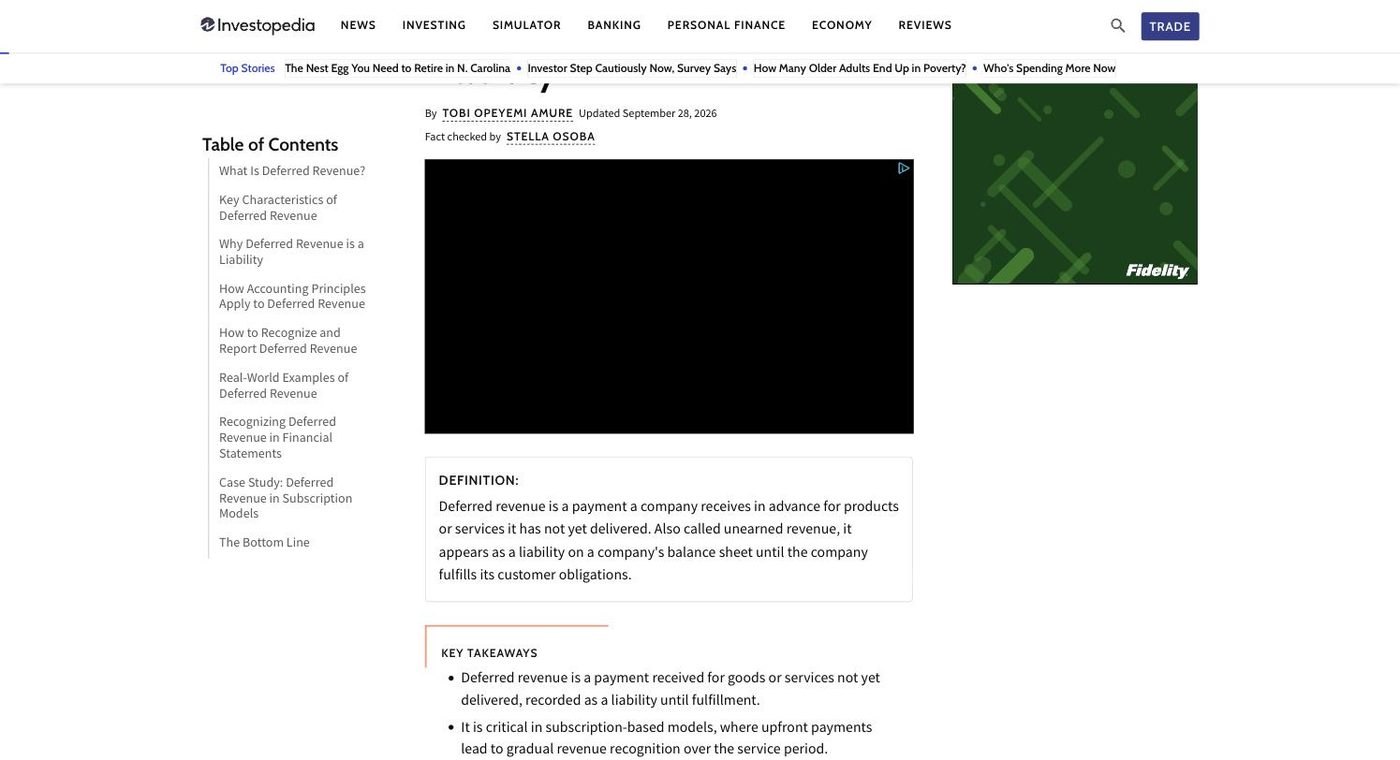
Rule 1. A package or membership sold is a debt until the visits happen
When a patient pays up front for something you have not delivered, you have their money and you owe them the service. The money is a liability called deferred revenue. It becomes revenue one visit at a time. Click through a $2,400 six visit laser package to watch it move.
Balance sheet
Profit and loss
The clinic is $2,400 richer in cash and $2,400 deeper in obligations. No revenue yet.
Balance sheet
Profit and loss
One sixth delivered, so $400 moves from the liability to revenue, and the consumable used shows as cost of services.
Balance sheet
Profit and loss (cumulative)
Two visits still owed. If the clinic closed today it would owe this patient $800 of service. That is why the number lives on the balance sheet.
Balance sheet
Profit and loss (cumulative)
Fully delivered. Every dollar has become revenue, and the liability is gone.
Memberships work the same way month by month: the fee collected on the 1st is owed until the month passes and the included treatment is delivered. Expired, unused visits become revenue on expiry, per your membership terms and your CPA's guidance.
Rule 2. A gift card is money you owe
Selling a $500 gift card is not a sale. It is $500 of cash and a $500 liability until the card is redeemed. On redemption the liability drops and revenue is recorded for whatever was provided. Track outstanding gift cards in your booking system and tie the balance to the books monthly.
Rule 3. Services are usually not taxed. Products are. Supplies are taxed on the way in.
In California, the state's guide for beauty businesses sets out three positions that apply to most of a medspa's sales. Two exceptions to confirm with your CPA: prescription products administered by a physician can follow different rules, and supplies bought from out of state vendors without tax owe use tax. Other states differ, and a few tax some services. Check yours.
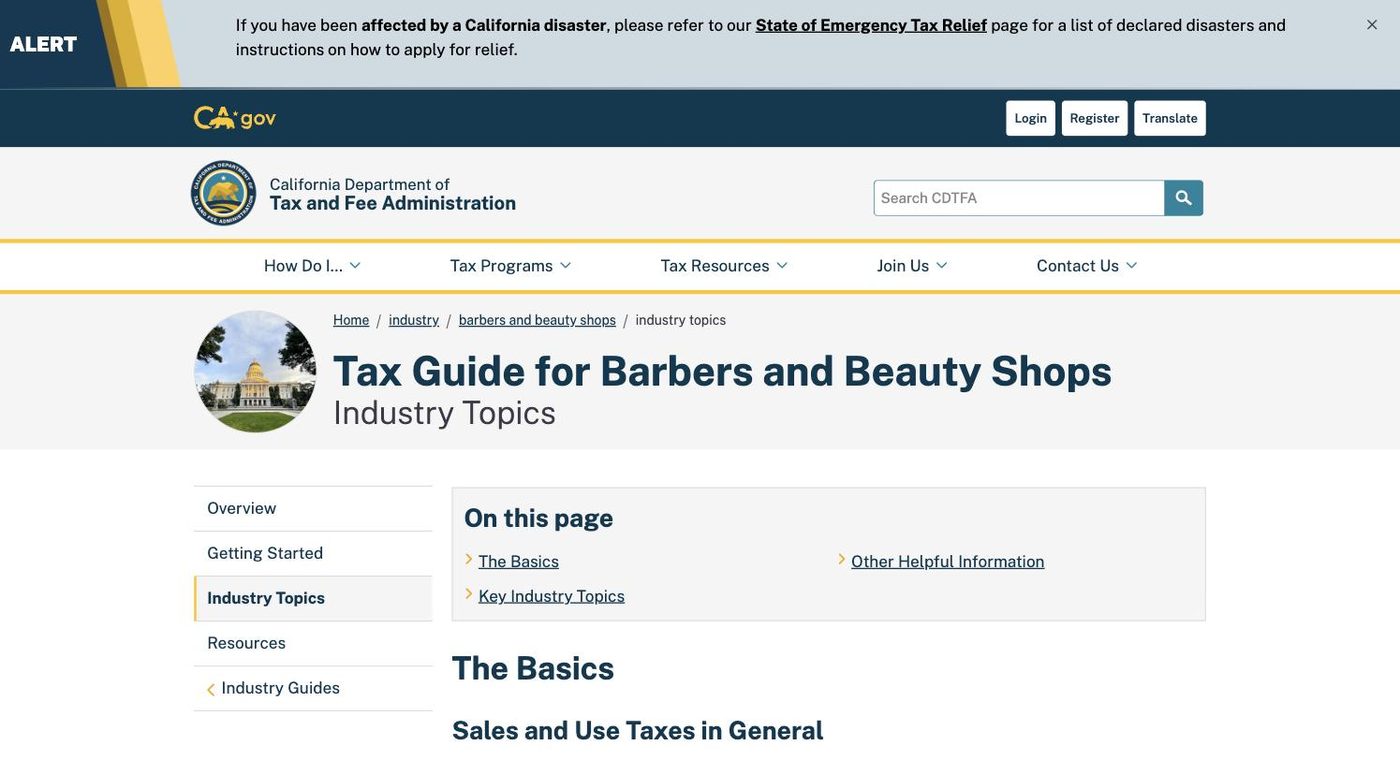
| What happened | Sales tax? (California) | In the books |
|---|---|---|
| Patient pays for a treatment | No. Personal services are not subject to sales tax. | Service revenue, no tax line |
| Patient buys a skincare product to take home | Yes. You collect it and remit it. | Retail revenue, tax collected to Sales Tax Payable |
| You buy the neurotoxin, filler, gels and consumables you use in treatments | Yes, you pay it. You are the consumer of supplies used in performing a service. | Part of product cost, not a separate liability |
| You sell a gift card | Not at sale. Tax applies on redemption if it buys a taxable product. | Liability at sale, revenue and any tax on redemption |
Practical consequence: on a supplier invoice, items bought for resale should be tax exempt (resale certificate on file with the supplier) and consumables you use in treatments should carry tax. Getting that backwards costs you twice a year.
Rule 4. Injectables are inventory, and inventory gets counted
Neurotoxin and filler are the largest product cost in most clinics, and they sit on the shelf as an asset until used. Each month the units used move to cost of services by service line, and a physical count catches waste, expired product and the occasional missing vial. Gross margin per service, the number that tells you whether pricing is right, depends entirely on this count. Operations 3 is the how.
Rule 5. Commissions and wages belong to the month they were earned
If an injector earns commission on September treatments and is paid October 10, September carries the expense and the balance sheet carries the amount owed until it is paid. Otherwise September looks more profitable than it was and October looks worse. The same goes for bonuses, membership incentives and payroll taxes.
Rule 6. Small equipment is an expense, big equipment is an asset
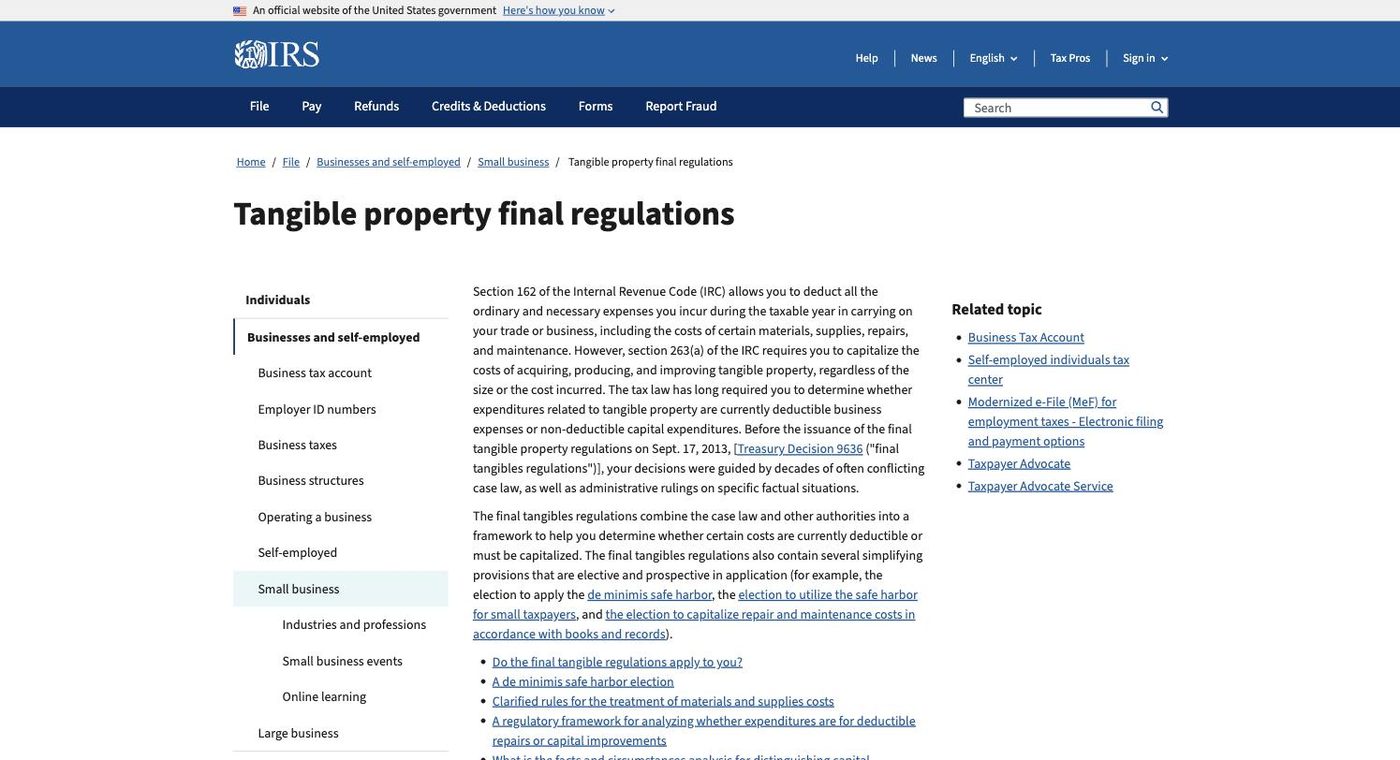
A $900 treatment chair is an expense the month you buy it. A $90,000 laser is an asset that is depreciated (expensed a little each month) over its useful life, and the loan that paid for it is a liability. The line between the two is your capitalization threshold. The IRS safe harbor for a business without audited statements is $2,500 per invoice or per item, applied consistently and elected on the return each year.
Rule 7. Start up costs have their own rules
Money spent before opening, such as consultants, training, travel to trade shows and formation costs, is not simply a first month expense. Under Section 195 the first $5,000 can be deducted in the first year, reduced once total start up costs pass $50,000, with the rest deducted evenly over 180 months. Keep the itemized list; your CPA needs it.
Rule 8. Contractors get a 1099, and the list is due in January
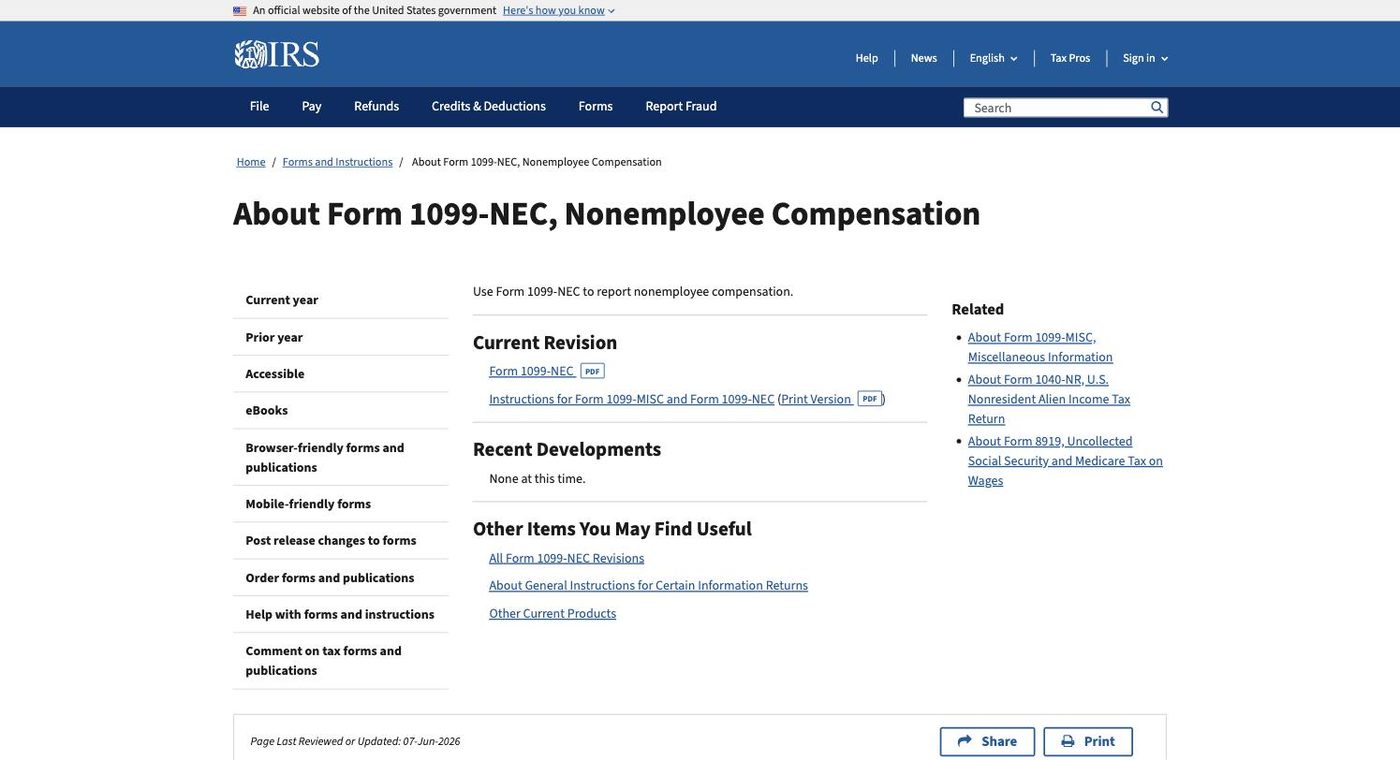
Anyone you pay for services who is not an employee (a freelance photographer, a contract aesthetician, a cleaning contractor) may need a Form 1099-NEC. Collect a W-9 from every such vendor before the first payment, not in January. Federal law raised the reporting threshold from $600 to $2,000 for payments from 2026 onward; confirm the threshold for your year with your CPA.
And one rule about you: owner pay in a corporation is salary
In a sole proprietorship or an LLC taxed as one, you take money out as a draw. In a corporation, owners who work in the business are employees, paid through payroll with taxes withheld. Anything else taken out is a dividend, a distribution, or a documented shareholder loan, each with its own tax treatment. The practical rule: never move money to a personal account outside payroll without telling your bookkeeper first, and never put a personal expense on a company card. Each one has to be found and explained, and each is a small dent in the credibility of the books.
Try it yourself
A patient buys a $1,200 four session package and uses one session this month. Month end revenue from this sale is
$1,200$300, with $900 in deferred revenue$0In California, which of these carries sales tax when sold to a patient?
A neurotoxin treatmentA bottle of sunscreen to take homeA laser hair removal sessionYou buy a $1,900 handheld device for the treatment room. Under a $2,500 threshold it is
A fixed asset depreciated over five yearsAn expense this monthA start up costAn injector earned $2,000 of commission in September, paid October 10. September's P&L should show
Nothing, it was not paid yet$2,000 of commission expense and $2,000 owed on the balance sheet$2,000 in October onlyThe owner of a corporation wants $10,000 out for a personal expense. The right way is
Write a check and code it to office expenseThrough payroll as salary, or as a documented dividend or shareholder loan agreed with the CPAPut it on the company card and sort it out at year end